
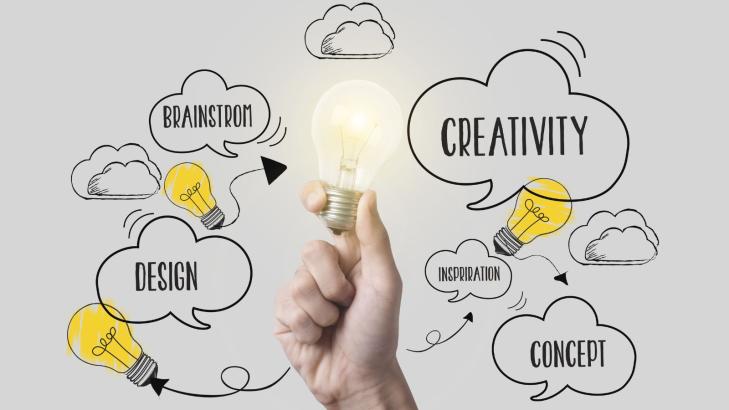
In an era of unprecedented economic and technological change, organizations are required to rethink their methods of operation. Success is no longer solely dependent on the quality of products or services, but is now linked to an organization’s ability to embrace innovation and creativity as an integrated strategic approach. Within this framework, ISO certifications emerge as a regulatory tool that helps translate this approach into practical, applicable, and measurable systems.
The concept of innovation and creativity in the institutional environment
To begin with, innovation refers to developing new solutions that add real value to the business. In contrast, creativity reflects the ability to generate unconventional ideas that serve as the starting point for this development. Therefore, the two concepts cannot be separated when discussing organizational excellence.
The difference between creativity and innovation
On the one hand, creativity focuses on creative thinking.
On the other hand, Innovation is about turning this thinking into practical applications.
Therefore, organizations achieve tangible results only when they combine creative thinking with systematic implementation.
The importance of innovation and creativity for institutions and companies
In fact, successful organizations rely on continuous development to maintain their competitiveness. Moreover, this approach helps them adapt to market changes with greater flexibility.
1. Enhancing competitiveness
Primarily, embracing innovation leads to:
Excellence in the markets
Improving customer experience
Strengthening the brand
Therefore, organizations are able to maintain their competitive position for longer periods.
2. Improving operational efficiency
In addition, process development contributes to:
Reducing costs
Improving resource utilization
Expediting procedures
As a result, the overall performance level rises significantly.
3. Supporting a positive work culture
On the other hand, It fosters creativity:
Employee Engagement
initiative
Job satisfaction
At the same time, it creates a work environment that encourages continuous development.
ISO certifications as a structured framework for continuous improvement
In this context, ISO certifications represent international standards that help organizations organize their operations according to best practices. More importantly, they do not limit flexibility; rather, they support systematic improvement.
Key ISO certifications
These certificates include:
ISO 9001 Quality Management
ISO 14001 for Environmental Management
ISO 45001 Occupational Health and Safety
ISO 27001 for Information Security
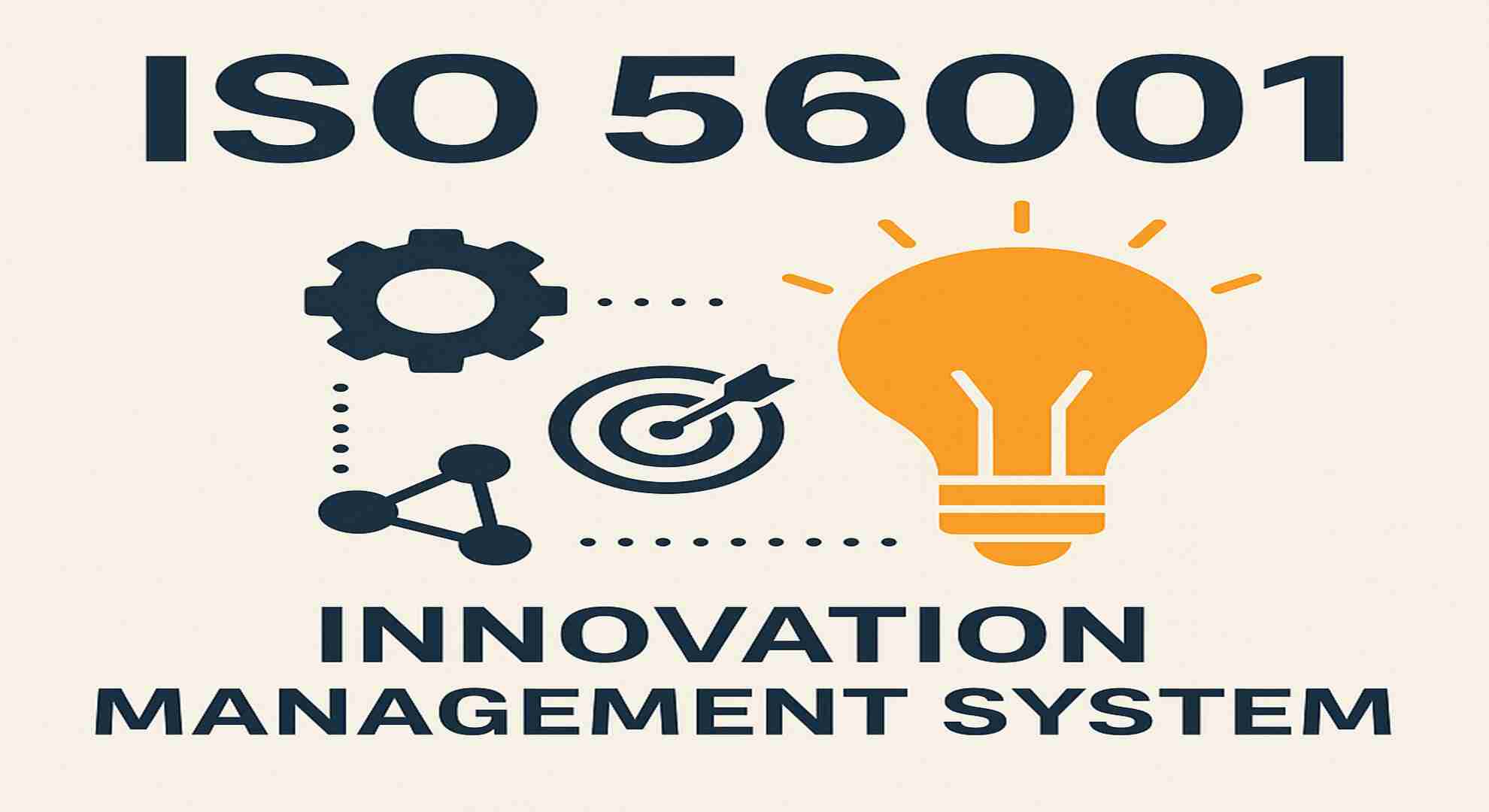
ISO 56001 Innovation Management
Thus, ISO provides an integrated framework that supports continuous improvement.
The relationship between innovation, creativity, and ISO standards
Contrary to popular belief, ISO standards do not conflict with creativity. On the contrary, they help to guide it within a structured framework. Therefore, innovation becomes part of the management system, not an isolated individual effort.
How does ISO support innovation?
Firstly, standardizing processes makes development easier.
Secondly, performance measurement reveals opportunities for improvement.
Third, risk management opens up new horizons.
Finally, relying on data enhances decision quality.
Thus, ideas are transformed into actionable results.
The benefits of combining innovation, creativity, and ISO certifications
In fact, this merger achieves multiple strategic benefits.
1. Improving the quality of products and services
As a result:
The errors decrease
Customer experience is improving
Confidence levels are rising
2. Supporting expansion and growth
Furthermore:
ISO facilitates entry into new markets
Strengthening international partnerships
Increased opportunities for global expansion
3. Effective risk management
in contrast:
Risks are identified early.
Preventive plans are put in place
Corporate reputation is protected
The role of leadership in supporting innovation
In all cases, the effectiveness of any development system depends on leadership support. Therefore, senior management has a pivotal role in enabling innovation.
Leadership responsibilities
Set a clear vision
Supporting new initiatives
resource allocation
Continuous improvement monitoring
Thus, standards become real enabling tools.

ISO 56001 as a turning point in innovation management
In this context, ISO 56001 represents a specialized standard that helps organizations to:
Organizing idea generation
Evaluating initiatives
Implementing solutions
Impact measurement
Therefore, this standard practically links innovation, creativity and corporate strategy.
Common challenges and ways to overcome them
Despite the significant benefits, some organizations face challenges such as resistance to change. However, these obstacles can be overcome by:
Continuous training
Raising awareness
Utilizing specialized expertise
As a result, the development journey becomes smoother.
Frequently Asked Questions (FAQ)
What is meant by innovation and creativity in organizations?
Simply put, it’s about developing new ideas and turning them into practical solutions that support performance.
Do ISO certifications hinder flexibility?
On the contrary, it organizes processes and supports continuous improvement.
What is the importance of ISO 56001?
It helps manage innovation and link it to strategic goals.
Innovation and creativity are the foundation of institutional excellence.
Finally, it is clear that innovation and creativity are no longer secondary options, but rather essential elements for achieving excellence and sustainability. When combined with ISO certifications, development efforts translate into measurable results that enhance quality and competitiveness.
In conclusion, if you are looking to develop your organization through innovation and obtain ISO certifications professionally, Reins offers you integrated consulting solutions that will help you achieve excellence with confidence.
📩 Contact Reins now and start your journey towards a more efficient and sustainable corporate future.