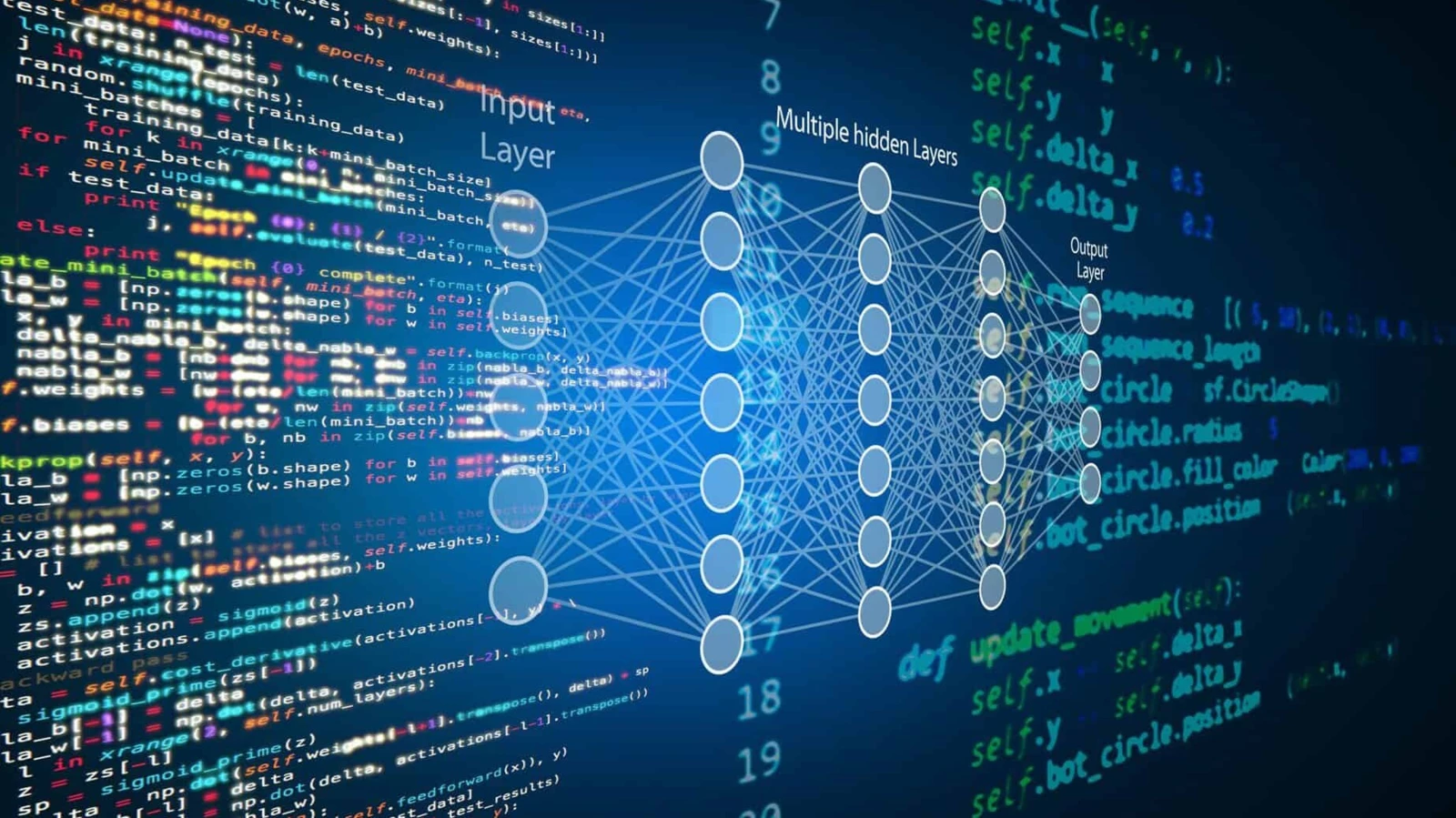


In light of the rapid digital transformation the world is witnessing, artificial intelligence has become a cornerstone for organizations to achieve excellence and innovation. In Saudi Arabia, in particular, interest in these technologies is growing significantly, in line with the goals of Vision 2030.
Therefore, artificial intelligence is no longer merely a technological tool, but a strategic element that contributes to reshaping business models and improving service quality. Furthermore, organizations rely on these technologies to enhance operational efficiency and make more informed decisions.
Why are organizations turning to artificial intelligence topics?
In fact, several factors are driving organizations to increasingly adopt artificial intelligence (AI). First, AI helps reduce operational costs by automating processes. Second, it contributes to improving customer experience by providing personalized and faster services.
Moreover, Organizations can analyze massive amounts of data in record time, giving them a strong competitive advantage. Therefore, investing in these technologies becomes a necessity, not an option.
On the other hand, The Saudi government supports this trend through advanced digital initiatives, which promotes the spread of artificial intelligence technologies in various sectors.
Generative artificial intelligence: A paradigm shift in innovation
Generative artificial intelligence is considered one of the most prominent areas of artificial intelligence that has significantly transformed the way organizations operate. It not only analyzes data, but can also create entirely new content.
For example, Companies use this technology to create marketing reports, write digital content, and even design new products. Additionally, it helps in developing personalized digital experiences for customers.
On the other hand, this type of artificial intelligence contributes to reducing the time required to complete tasks, leading to a significant increase in productivity. Therefore, it has become one of the most important tools relied upon by modern organizations.
Process automation: Improved performance and reduced costs
On the other hand, Automation is one of the most important applications within artificial intelligence technologies. It helps in performing routine tasks automatically, without the need for constant human intervention.
Furthermore, automation helps reduce human error, which positively impacts work quality. It also helps speed up processes, saving time and effort.
Furthermore, organizations can redirect their human resources towards strategic tasks, rather than being preoccupied with routine work. This achieves a balance between efficiency and innovation.
Natural Language Processing: User Experience Development
In this context, natural language processing plays a crucial role in improving human-machine interaction. It enables systems to understand and intelligently respond to human language.
For example, This technology is used in chatbots that provide instant customer support. Additionally, it can analyze user sentiment, helping to improve service quality.
On the other hand, Government agencies rely on this technology to facilitate the provision of digital services, which greatly contributes to improving the user experience.

Data analysis: the foundation of decision-making
There is no doubt that data is one of the most important assets in the digital age. Therefore, organizations rely on artificial intelligence technologies to analyze this data and extract valuable insights from it.
Moreover, These analyses can be used to predict future trends, aiding in strategic planning. They also contribute to improved operational efficiency and reduced risk.
Therefore, data analysis becomes a key element in the success of modern organizations.
Predictive maintenance: Business continuity
In contrast, industrial sectors rely heavily on predictive maintenance, where artificial intelligence is used to predict malfunctions before they occur.
This can reduce downtime and lower maintenance costs. It also helps improve production efficiency and extend equipment lifespan.
Therefore, this technology is one of the most important solutions that support business sustainability.
Computer vision: The future of smart cities
Computer vision is an advanced technology used to analyze images and videos. It can recognize patterns and objects with high accuracy.
For example, They are used in traffic management, crowd control, and enhancing security. Additionally, they play a vital role in the healthcare sector through the analysis of medical images.
Therefore, this technology contributes to improving the quality of life within smart cities.
Cybersecurity: Data protection
With increasing reliance on technology, the need for data protection is also growing. This is where artificial intelligence comes in to enhance cybersecurity.
It can detect threats early, as well as analyze abnormal behavior. It also helps in responding quickly to attacks.
On the other hand, It helps reduce risks and protect the digital assets of organizations.
Responsible AI: Ethical Use
In light of this development, it becomes essential to adhere to the principles of responsible technology use. Transparency, fairness, and privacy protection must be ensured.
Moreover, Adherence to these principles helps build trust between organizations and customers. This, in turn, ensures the safe and sustainable use of artificial intelligence.
How do organizations begin their journey?
To begin implementing artificial intelligence, clear steps must be followed. First, assess the current situation. Then, define the objectives. After that, choose the appropriate solutions.
In addition, employees must be trained and their skills developed. Finally, performance must be continuously monitored and improved.
In this way, a successful digital transformation can be achieved.

The role of artificial intelligence in Vision 2030
Artificial intelligence contributes significantly to achieving the goals of the Kingdom’s Vision. It supports innovation, improves quality of life, and strengthens the digital economy.
From this standpoint, the Kingdom invests heavily in these technologies, making it one of the leading countries in this field.
Reins: Your partner in digital success
In a rapidly changing world, organizations need a reliable partner. That’s where Reins comes in, providing integrated AI solutions.
We help you with:
- Applying the latest technologies
- Improving efficiency
- Promoting innovation
🚀 Start now with Reins
Contact us today and start your journey towards a smarter future.
Frequently asked questions
What are the most important areas of artificial intelligence?
It includes analysis, automation, natural language, and computer vision.
How do institutions benefit?
By improving performance and reducing costs.
Is artificial intelligence necessary?
Yes, it has become a key element in digital transformation.